

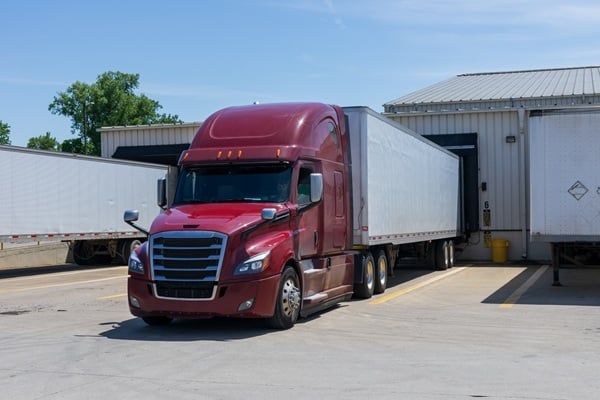
Dry van may be the most common trucking segment, but the fact that it is common doesn’t mean it is low risk. Dry van fleets face a mix of frequency exposure ranging from relatively minor occurrences like collisions causing property damage to severe exposures like multi-vehicle accidents causing catastrophic injury. When you add the risks presented by cargo theft and fraud, coverage becomes more complex than many carriers assume.
The strongest dry van operators reduce loss by focusing on three areas: highway exposure, facility interface exposure, and cargo/security exposure. Those three categories cover the majority of claims and the operational habits that prevent them.
Speed, following distance, and rear-end frequency
Frequency events often drive dry van claims, ranging from rear-end collisions to lane changes and weather-related incidents. Coaching drivers on things like following distance, speed management, and distraction is the biggest lever for long-term loss reduction. The fleets successfully limit risk are the ones that treat near-misses as leading indicators, using simple scorecards and coaching loops rather than waiting for a claim to teach the lesson.
Backing and yard incidents are another common source of major losses. Tight docks and congested facilities can contribute to property damage and injuries, frequently involving third-party equipment or other parked vehicles. Standardized spotter rules, low-speed policies, and consistent backing procedures serve to reduce these events dramatically over time.
THEFT, FRAUD, AND SECURITY OF HIGH-VALUE LOADS
Many dry van claims are rooted in facility interface problems like forklift damage, load shifts caused by improper palletization, and disputes about trailer condition or seal status. Documentation is key here. Pre-trip photos, seal logs, and signed bills with condition notes reduce conflict and speed claims resolution when something does go wrong.
Detention pressure also increases risk. When drivers feel squeezed by appointment windows, they are more likely to rush, cut corners, and make preventable mistakes in yards and at docks. A disciplined detention and dwell process—measuring time, establishing expectations, and communicating professionally—decreases operational stress and lowers incident frequency.
High-frequency high-pain events
Dry van freight is a common target for theft because loads are varied and frequently filled with consumer-facing product. The biggest exposure comes not from parking but from verification. Spoofed pickup calls, fake emails, and “double brokering” schemes can move loads outside your control quickly. Strong carriers implement strict change-verification protocols, use geofencing alerts, and train dispatchers to treat any unexpected change as suspicious until verified. More tips on preventing carrier fraud and identity theft is available from the Federal Motor Carrier Safety Administration.
Dry van risk is manageable when it’s measured. If you tighten highway habits, dock procedures, and review protocols, you reduce claims and create a cleaner risk profile for insurance and customer relationships.
go with the name you can trust
At Joe Morten & Son, Inc., we work with trucking operators to protect their bottom lines. If you’re in the market for an agency that puts you first, we’re here to help.
Note: These lists are not intended to be all-inclusive.

We offer commercial trucking coverage in more than 45 states. Check out more information in your state:
Alabama, Arizona, Arkansas, Colorado, Connecticut, Delaware, Florida, Georgia, Idaho, Illinois, Indiana, Iowa, Kansas, Kentucky, Louisiana, Maine, Maryland, Michigan, Minnesota, Mississippi, Missouri, Montana, Nebraska, Nevada, New Hampshire, New Jersey, New Mexico, North Carolina, North Dakota, Ohio, Oklahoma, Oregon, Pennsylvania, Rhode Island, South Carolina, South Dakota, Tennessee, Texas, Utah, Vermont,
Virginia, Washington, West Virginia, Wisconsin, and Wyoming.
Insurance contracts are underwritten, administered, and issued by Great West Casualty Company, Old Republic Life Insurance Company, and Old Republic Union Insurance Company. One or more Old Republic companies may provide the products and/or services described. Information presented is for illustrative purposes only and does not constitute a contract or advice, including employment advice or advice to motor carriers. Please refer to the relevant insurance policy for actual terms. Products and services may not be available in all states and may be subject to change without notice. © 2026 Old Republic International Corporation. Old Republic® and the Old Republic Circle of Stars monogram are registered trademarks. All Rights Reserved.